XPeng G6: 700 km of Real Range The XPeng G6 is an electric SUV that brings to the Brazilian market a powerful combination of modern design and efficient performance, with an estimated real range of up to 700 km in urban conditions, one of the highest in the el…
XPeng G6: 700 km of Real Range
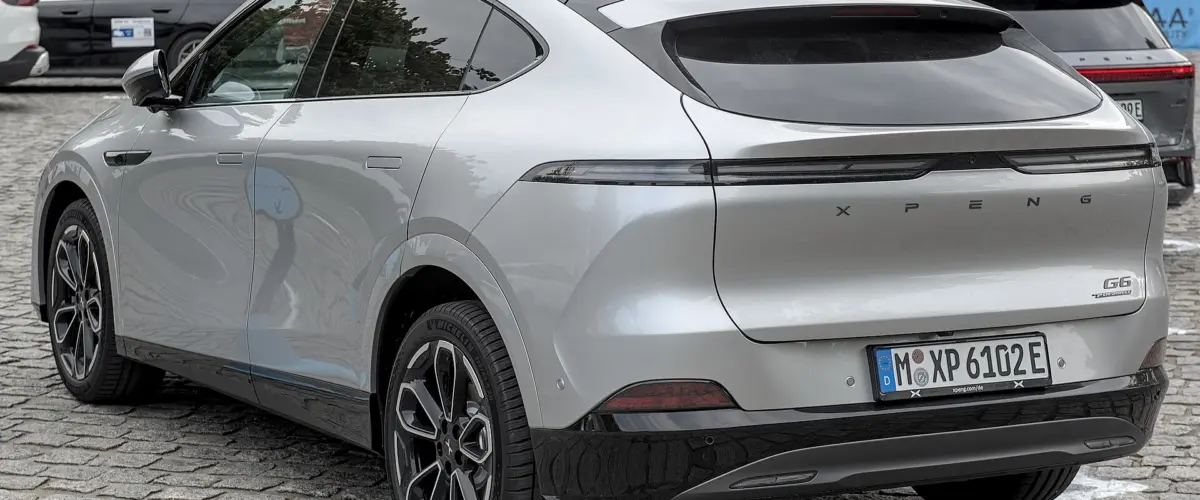
The XPeng G6 is an electric SUV that brings to the Brazilian market a powerful combination of modern design and efficient performance, with an estimated real range of up to 700 km in urban conditions, one of the highest in the electric SUV segment in Brazil. With a design inspired by the shape of water and advanced technology, the G6 stands out as one of the models that comes closest to the concept of “sustainable travel” with daily practicality.
Notificações direto no seu celular, sem spam.
Publicidade · Notificações do navegador
Design and Interior
The XPeng G6 exudes elegance with fluid lines that recall the shape of water, standing out for a rounded and dynamic exterior design. The car body uses lightweight and resistant materials, with metallic details that add a touch of sophistication. Internally, the model features a 15.6-inch central screen, integrated with an advanced operating system that allows navigation, vehicle control and wireless connectivity. The internal structure is made with sustainable materials, such as recycled fabrics and biodegradable plastics, offering comfort and aesthetics in harmony with the environment.
Performance and Real Range
The G6 features a 106 kWh battery, capable of sustaining long trips without the need for intermediate recharging. Under real-world conditions in Brazil, with urban traffic, climate variation, and daily use, the expected range is approximately 580 to 620 km per full charge, depending on driving style and ambient temperature. Home charging on standard outlets (220 V) will take around 14 hours for a full charge, while fast charging via a DC connector of up to 270 kW can complete the cycle in just 18 minutes, ideal for frequent travelers or those who need daily mobility. This fast-charging capability makes the G6 a viable alternative for urban routines and intercity trips.
Is It Worth It?
With an estimated average cost of R$ 450,000, the XPeng G6 offers significant savings compared to gasoline. The vehicle’s electric consumption is approximately 18 kWh/100 km, while gasoline costs around R$ 3.50 per liter and urban fuel efficiency averages 9-10 km/liter. This means each electric kilometer costs around R$ 0.47, versus R$ 0.28 to R$ 0.35 for gasoline (depending on price and consumption). Thus, at the end of the month, a user averaging 1,500 km can save between R$ 900 and R$ 1,200 per month, totaling more than R$ 10,800 in annual savings on fuel alone. In the electric SUV segment, the G6 is positioned as one of the most competitive models in terms of range and performance, combining technology with affordability for the Brazilian public.
Want to know more about the XPeng G6? Leave your comment!
image/reproduction: Source DuckDuckGo Image Search
<em
Read also
- Electric Cars in Brazil 2026: Complete Guide
- Vehicle Charger: Complete Guide
- BYD Dolphin: Economy and Power
Notificações direto no seu celular, sem spam.
Publicidade · Notificações do navegador🔬 Metodologia: como produzimos e verificamos este conteúdo
Fontes de dados:
- Preços e especificações: tabelas oficiais dos fabricantes, INMETRO/PBEV e registro canônico de veículos do EVblog (/dados-ev, atualizado continuamente);
- Autonomia e consumo: ciclo INMETRO/PBEV e WLTP, complementados por dados reais reportados pela comunidade (/zero-range);
- Notícias: agências, assessorias das marcas e veículos especializados, com curadoria e checagem cruzada.
Forma de medição e critérios: comparativos usam sempre os mesmos campos (preço, autonomia, bateria, potência, consumo, recarga AC/DC) extraídos do registro canônico. Veja Como Testamos.
Última revisão: 20 de June de 2026.
Conteúdo produzido com assistência de inteligência artificial (sistema ATLAS) sob curadoria e revisão editorial de Luiz Cavalcanti. Consulte a Política Editorial e a Política de Uso de IA.