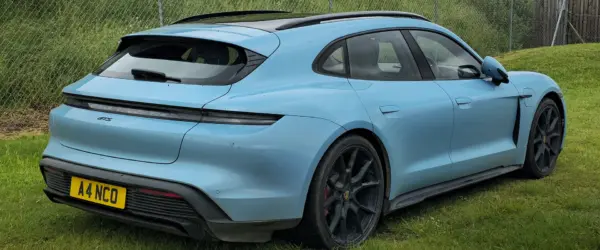
O Porsche Taycan 2027 simula marchas de um câmbio clássico; entenda os possíveis efeitos na eficiência, no desempenho e na experiência ao volante.
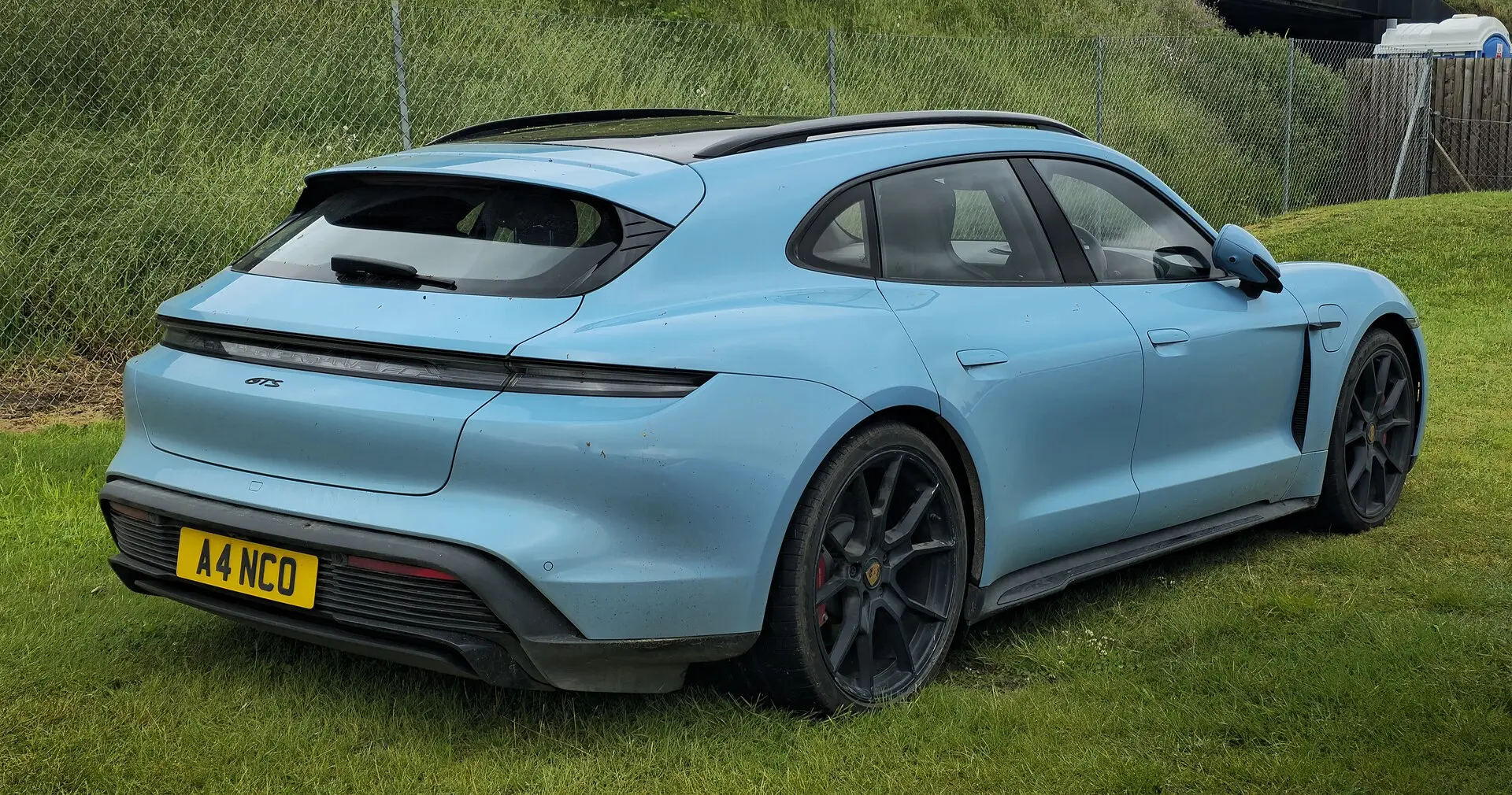
Quando eu vi essa noticia sobre o Porsche Taycan 2027 adicionar marchas falsas, minha primeira reação foi de espanto e análise imediata. Afinal, como editor do EVblog, estou sempre atento a inovações que desafiam o status quo dos carros elétricos. Lembro-me de quando a Porsche lançou o Taycan original, e foi um marco na eletrificação de veículos de alto desempenho; agora, essa atualização parece um passo contraditório.
Na minha opinião, essa decisão vai além de um simples recurso estético; ela representa uma tentativa da Porsche de conectar o passado tradicional com o futuro elétrico, mas a um custo que pode ser questionável em termos de desempenho. A experiência de conduzir um carro elétrico é naturalmente suave e contínua, e adicionar simulações de câmbio pode comprometer a eficiência e a dinâmica que tornam os EVs únicos.
O que está em jogo
Por trás dessa notícia, vejo interesses de mercado que vão desde a atração de entusiastas de carros clássicos até a necessidade de diferenciar o Taycan em um segmento cada vez mais competitivo. A Porsche está apostando na nostalgia como um fator de venda, mas os riscos incluem a percepção de que carros elétricos precisam “imitar” os a combustão para serem atraentes. Isso pode criar uma divisão entre puristas da eletrificação e aqueles que anseiam por familiaridade.
Uma oportunidade aqui é a exploração de experiências de condução personalizáveis, o que pode abrir caminho para mais inovações em interfaces e modos de dirigir. No entanto, a crítica de que isso torna o carro mais lento é válida, pois a eficiência máxima dos EVs justamente está na ausência de câmbios. Em termos técnicos, simular marchas pode interromper a entrega de torque instantâneo, reduzindo a aceleração e a eficiência energética.
Impacto para o consumidor brasileiro
No Brasil, onde a Porsche tem presença significativa, essa opção pode influenciar a percepção dos consumidores premium sobre carros elétricos. Por exemplo, se o Taycan 2027 com marchas falsas for lançado aqui, ele pode atrair compradores que buscam uma experiência mais “tradicional” ao dirigir um EV, especialmente em um mercado onde a eletrificação ainda está em crescimento e há uma cultura forte de carros a combustão.
Disponibilidade e preferências locais
Considerando o mercado brasileiro, onde ainda há resistência a veículos elétricos por parte de alguns segmentos, recursos como esse podem servir como uma ponte de transição. Mas é importante avaliar se realmente atende às necessidades reais dos motoristas, ou se é apenas um apelo emocional. A infraestrutura de recarga e o custo de aquisição continuam sendo fatores determinantes, e uma funcionalidade como marchas falsas pode ser vista como um luxo desnecessário.
Além disso, a disponibilidade dessa opção no Brasil dependerá de decisões da importadora e das condições do mercado local. Com a crescente adoção de EVs no país, recursos inovadores como esse podem acelerar a aceitação, mas前提是 que adicionem valor real à experiência de condução.
Na minha conclusão, acredito que essa inovação da Porsche é um reflexo da busca por identidade em um mundo em transição energética. Para o consumidor brasileiro, o impacto real pode ser limitado, mas serve como um alerta para que os fabricantes não percam de vista a essência da eficiência que os EVs oferecem. Eu recomendo que os interessados em carros elétricos foquem nas vantagens reais da tecnologia, como sustentabilidade e desempenho, em vez de recursos meramente nostálgicos. Afinal, o futuro da mobilidade é elétrico, e devemos abraçá-lo sem olhar para trás com excessiva nostalgia.
Leituras recomendadas
- Xiaomi SU7 Ultra: Guia Completo do Elétrico 2026
- Porsche Taycan: Guia Completo do Elétrico 2026
- Porsche Macan EV: Guia Completo do Elétrico 2026
Fonte: electrek.co | Curadoria: ATLAS AI | Relevância: 9.0/10
🔬 Metodologia e Fontes — como produzimos e verificamos este conteúdo
Fontes consultadas:
- Registro canônico EVblog (/dados-ev)
Forma de medição e critérios: comparativos usam sempre os mesmos campos (preço, autonomia, bateria, potência, consumo, recarga AC/DC) extraídos do registro canônico. Veja Como Testamos.
Última revisão: 23 de agosto de 2026.
Conteudo produzido com assistencia de IA sob curadoria e revisao editorial de Luiz Cavalcanti. Consulte a Política Editorial e a Política de Uso de IA.