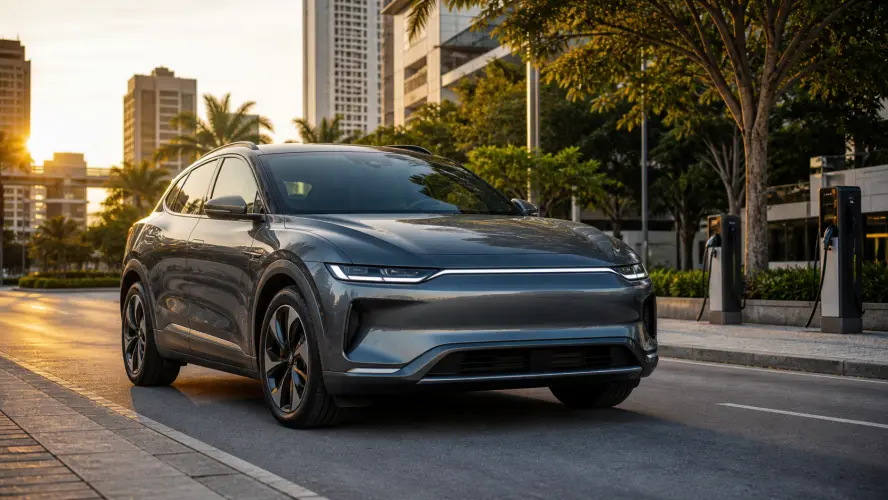
A JLR amplia sua estratégia de híbridos e elétricos, com a Jaguar rumo a uma linha totalmente elétrica e os híbridos na transição.
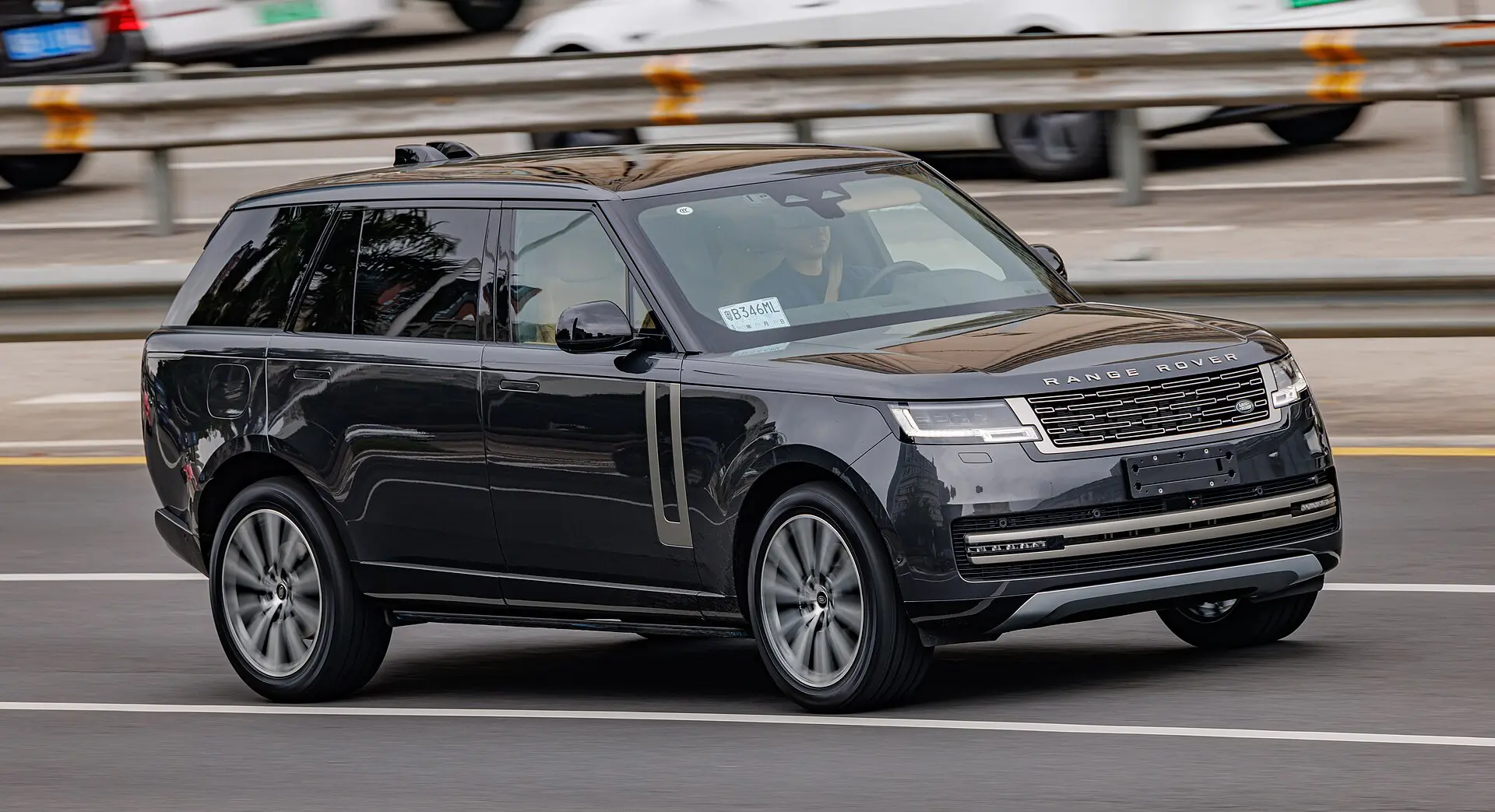
Quando eu vi essa notícia da electriccarsreport.com sobre a JLR (Jaguar Land Rover) expandindo sua estratégia de híbridos e elétricos,我 imediatamente pensei nas conversas que tivemos no EVblog sobre como marcas de luxo estão acelerando a transição energética. Isso não é apenas sobre novos carros; é um sinal claro de que o setor está mudando de forma irreversível.
Na minha análise, essa notícia vai além do anúncio de modelos para o Range Rover e Defender. Ela revela uma reestratégia completa da JLR, onde a Jaguar se tornará uma marca exclusivamente elétrica, enquanto os híbridos servem como ponte durante a transição. Isso mostra que a empresa está apostando alto no futuro elétrico, especialmente para competir em mercados como o da América do Norte, que a electriccarsreport.com identifica como chave para o crescimento.
O que está em jogo
Por trás dessa expansão, há interesses estratégicos, riscos consideráveis e oportunidades ambiciosas. A JLR quer posicionar-se como líder no segmento de luxo elétrico, enfrentando diretamente concorrentes como a Tesla e a Mercedes-Benz. O risco é alto: investir pesadamente em elétricos enquanto ainda depende de híbridos pode diluir recursos ou criar confusão no mercado. Mas a oportunidade é enorme, especialmente se conseguirem capitalizar a demanda crescente por veículos sustentáveis em mercados maduros.
A transformação da Jaguar
A decisão de tornar a Jaguar 100% elétrica é particularmente significativa. Segundo a fonte, isso faz parte de um plano mais amplo de crescimento. Eu avalio que isso representa um trade-off: a marca sacrifica sua tradição de motores a combustão para abraçar um nicho premium de elétricos, o que pode redefinir sua identidade e atrair novos consumidores preocupados com emissões.
Foco na América do Norte
A ênfase na América do Norte como mercado-chave faz sentido do ponto de vista comercial, given that it’s um dos maiores para veículos de luxo e tem políticas favoráveis a EVs. Para a JLR, isso significa priorizar lançamentos lá, o que poderia atrasar a chegada de novos modelos em outras regiões, como o Brasil.
Impacto para o consumidor brasileiro
No Brasil, a JLR já tem uma presença estabelecida com os line-ups do Range Rover e Defender. Embora o resumo não especifique impactos diretos no mercado nacional, na minha experiência, expansões globais como essa frequentemente resultam em novas ofertas locais. Por exemplo, se a JLR introduzir versões híbridas do Range Rover ou Defender, isso poderia aumentar a disponibilidade de veículos de luxo mais eficientes no Brasil, potencialmente influenciando decisões de compra em um segmento que valoriza tanto performance quanto sustentabilidade.
Além disso, com a Jaguar se tornando elétrica, modelos como o I-PACE poderiam receber atualizações ou novos variantes que eventualmente cheguem ao mercado brasileiro. Isso seria relevante para consumidores que buscam alternativas premium a marcas como a BMW ou a Audi, que já oferecem EVs no país. No entanto, é importante notar que o foco imediato da JLR parece estar na América do Norte, então consumidores brasileiros podem precisar de paciência para ver esses novos modelos.
Na minha opinião, essa notícia é um lembrete de que a eletrificação não é mais uma tendência distante, mas uma realidade iminente até para as marcas mais tradicionais. Eu acredito que o mercado brasileiro se beneficiará dessa evolução, mas será crucial acompanhar como a JLR adapta sua estratégia global para atender demandas locais, como infraestrutura de carregamento e custos de importação. No final das contas, isso pode acelerar a adoção de veículos elétricos no segmento de luxo nacional, trazendo mais opções e inovação para consumidores exigentes.
Continue lendo
- BMW Antecipa Pedidos do i3 Elétrico por Alta Demanda
- Electrify America instala 20 carregadores rápidos e armazenamento de energia na Califórnia
- Tesla instala aspirador gratuito em Supercharger na Alemanha
Fonte: electriccarsreport.com | Curadoria: ATLAS AI | Relevância: 9.0/10
🔬 Metodologia e Fontes — como produzimos e verificamos este conteúdo
Fontes consultadas:
- Registro canônico EVblog (/dados-ev)
Forma de medição e critérios: comparativos usam sempre os mesmos campos (preço, autonomia, bateria, potência, consumo, recarga AC/DC) extraídos do registro canônico. Veja Como Testamos.
Última revisão: 23 de agosto de 2026.
Conteudo produzido com assistencia de IA sob curadoria e revisao editorial de Luiz Cavalcanti. Consulte a Política Editorial e a Política de Uso de IA.