
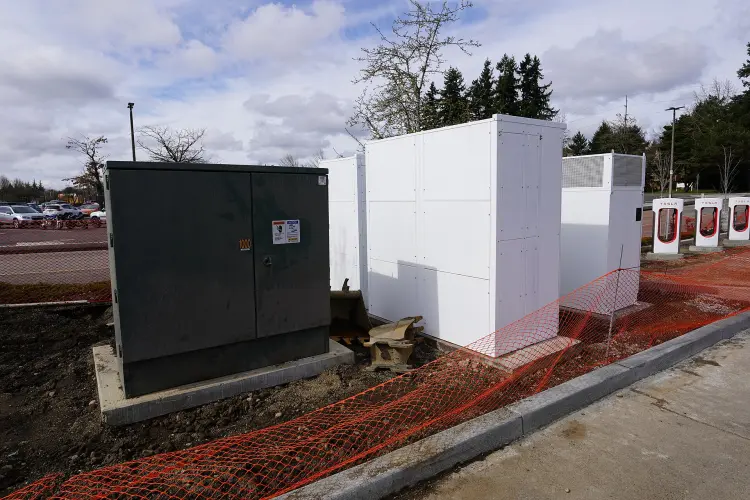
JLR amplía su estrategia híbrida y eléctrica, con Jaguar orientada a un futuro totalmente eléctrico y los híbridos como transición.
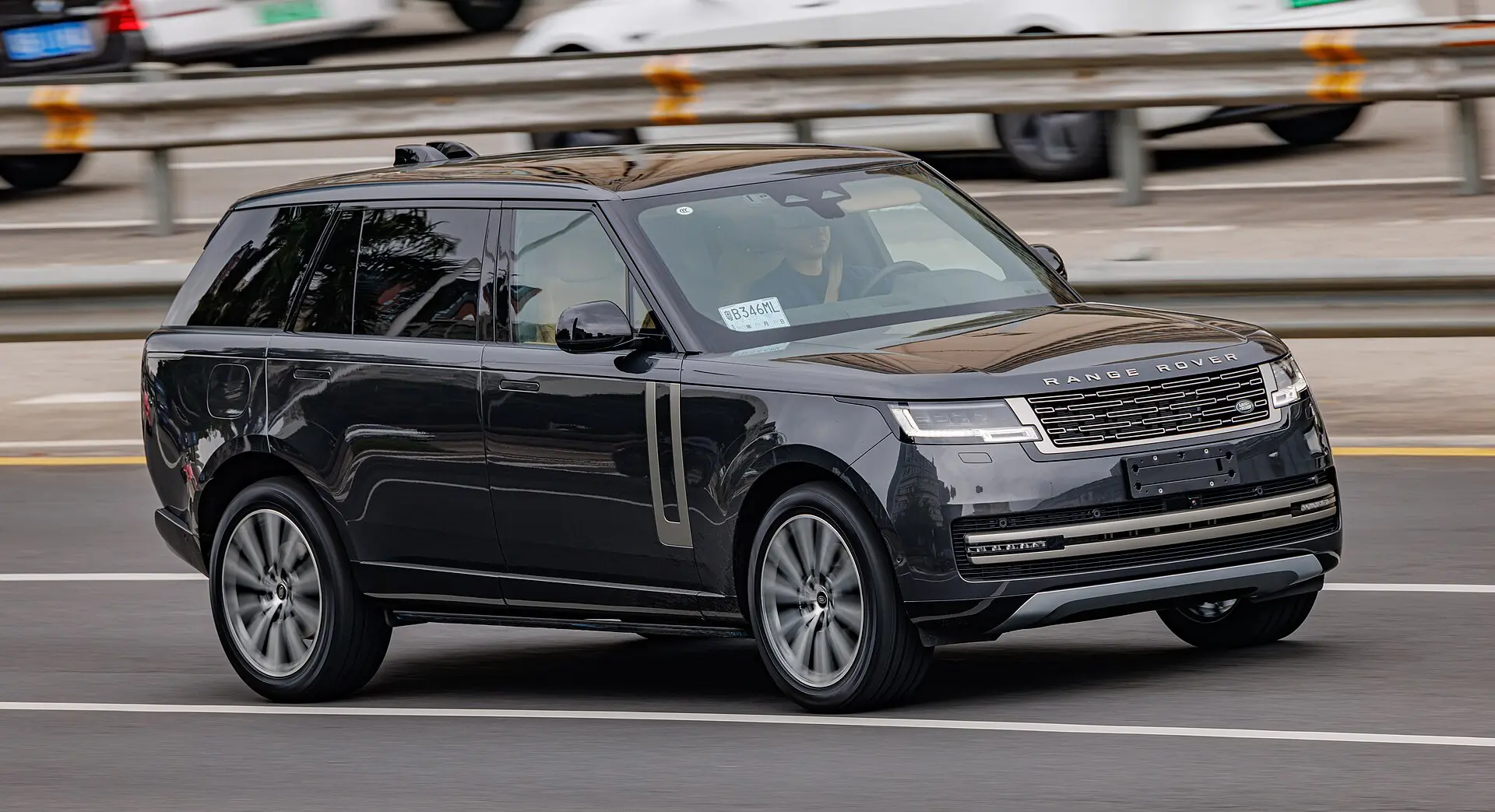
When I saw this news from electriccarsreport.com about JLR (Jaguar Land Rover) expanding its hybrid and electric strategy, I immediately thought of the conversations we’ve had on EVblog about how luxury brands are accelerating the energy transition. This is not just about new cars; it’s a clear sign that the sector is changing in an irreversible way.
In my analysis, this news goes beyond the announcement of models for the Range Rover and Defender. It reveals a complete re-strategy by JLR, where Jaguar will become an exclusively electric brand, while hybrids serve as a bridge during the transition. This shows that the company is betting heavily on the electric future, especially to compete in markets like North America, which electriccarsreport.com identifies as key to growth.
What is at stake
Behind this expansion, there are strategic interests, considerable risks and ambitious opportunities. JLR wants to position itself as a leader in the electric luxury segment, directly facing competitors such as Tesla and Mercedes-Benz. The risk is high: investing heavily in electric vehicles while still relying on hybrids can dilute resources or create confusion in the market. But the opportunity is enormous, especially if they manage to capitalize on the growing demand for sustainable vehicles in mature markets.
The transformation of Jaguar
The decision to make Jaguar 100% electric is particularly significant. According to the source, this is part of a broader growth plan. I assess that this represents a trade-off: the brand sacrifices its tradition of combustion engines to embrace a premium electric niche, which could redefine its identity and attract new consumers concerned about emissions.
Focus on North America
The emphasis on North America as a key market makes sense from a commercial standpoint, given that it’s one of the largest for luxury vehicles and has favorable policies for EVs. For JLR, this means prioritizing launches there, which could delay the arrival of new models in other regions, such as Brazil.
Impact for the Brazilian consumer
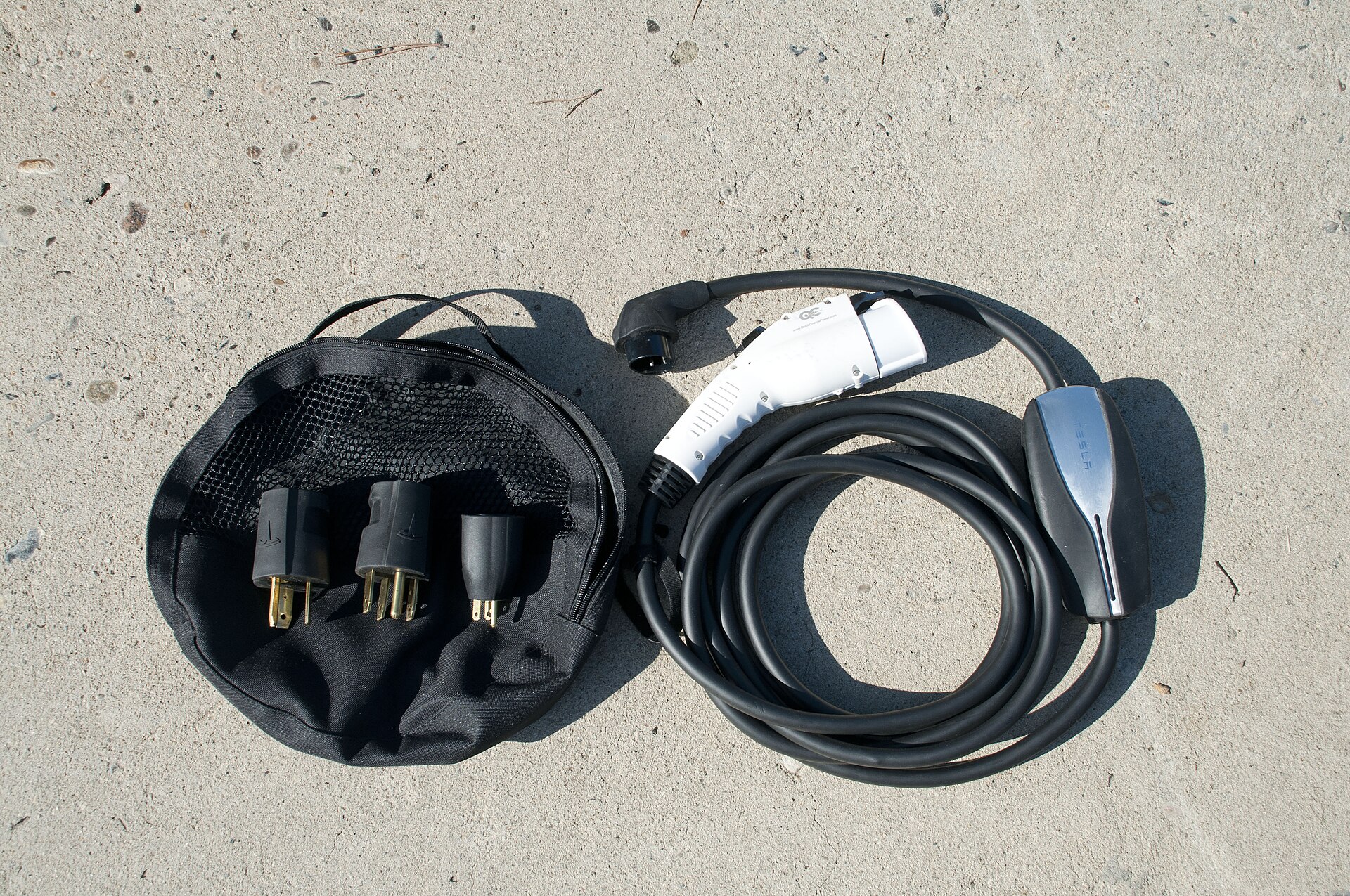
In Brazil, JLR already has an established presence with the Range Rover and Defender lineups. Although the summary does not specify direct impacts on the domestic market, in my experience, global expansions like this frequently result in new local offerings. For example, if JLR introduces hybrid versions of the Range Rover or Defender, this could increase the availability of more efficient luxury vehicles in Brazil, potentially influencing purchase decisions in a segment that values both performance and sustainability.
Furthermore, with Jaguar becoming electric, models such as the I-PACE could receive updates or new variants that eventually reach the Brazilian market. This would be relevant for consumers seeking premium alternatives to brands like BMW or Audi, which already offer EVs in the country. However, it is important to note that JLR’s immediate focus appears to be on North America, so Brazilian consumers may need to be patient to see these new models.
In my opinion, this news is a reminder that electrification is no longer a distant trend, but an imminent reality even for the most traditional brands. I believe the Brazilian market will benefit from this evolution, but it will be crucial to follow how JLR adapts its global strategy to meet local demands, such as charging infrastructure and import costs. In the end, this could accelerate the adoption of electric vehicles in the national luxury segment, bringing more options and innovation to demanding consumers.
Keep reading
- BMW Anticipates Orders for the Electric i3 Due to High Demand
- Electrify America Installs 20 Fast Chargers and Energy Storage in California
- Tesla installs free vacuum cleaner at Supercharger in Germany
Source: electriccarsreport.com | Curation: ATLAS AI | Relevance: 9.0/10
🔬 Metodologia e Fontes — como produzimos e verificamos este conteúdo
Fontes consultadas:
- Registro canônico EVblog (/dados-ev)
Forma de medição e critérios: comparativos usam sempre os mesmos campos (preço, autonomia, bateria, potência, consumo, recarga AC/DC) extraídos do registro canônico. Veja Como Testamos.
Última revisão: 17 de August de 2026.
Conteudo produzido com assistencia de IA sob curadoria e revisao editorial de Luiz Cavalcanti. Consulte a Política Editorial e a Política de Uso de IA.