Confira quais estados isentam carros elétricos do IPVA em 2026, as alíquotas, os requisitos e como solicitar o benefício corretamente.
IPVA 2026: Quais Estados Isentam Carros Elétricos? Lista Completa Atualizada
A isenção de IPVA para carros elétricos varia de estado para estado no Brasil. Em 2026, 10 estados oferecem isenção total, 4 concedem descontos parciais e os demais ainda cobram o imposto integralmente. Confira a lista completa atualizada com detalhes sobre cada estado e como solicitar o benefício.
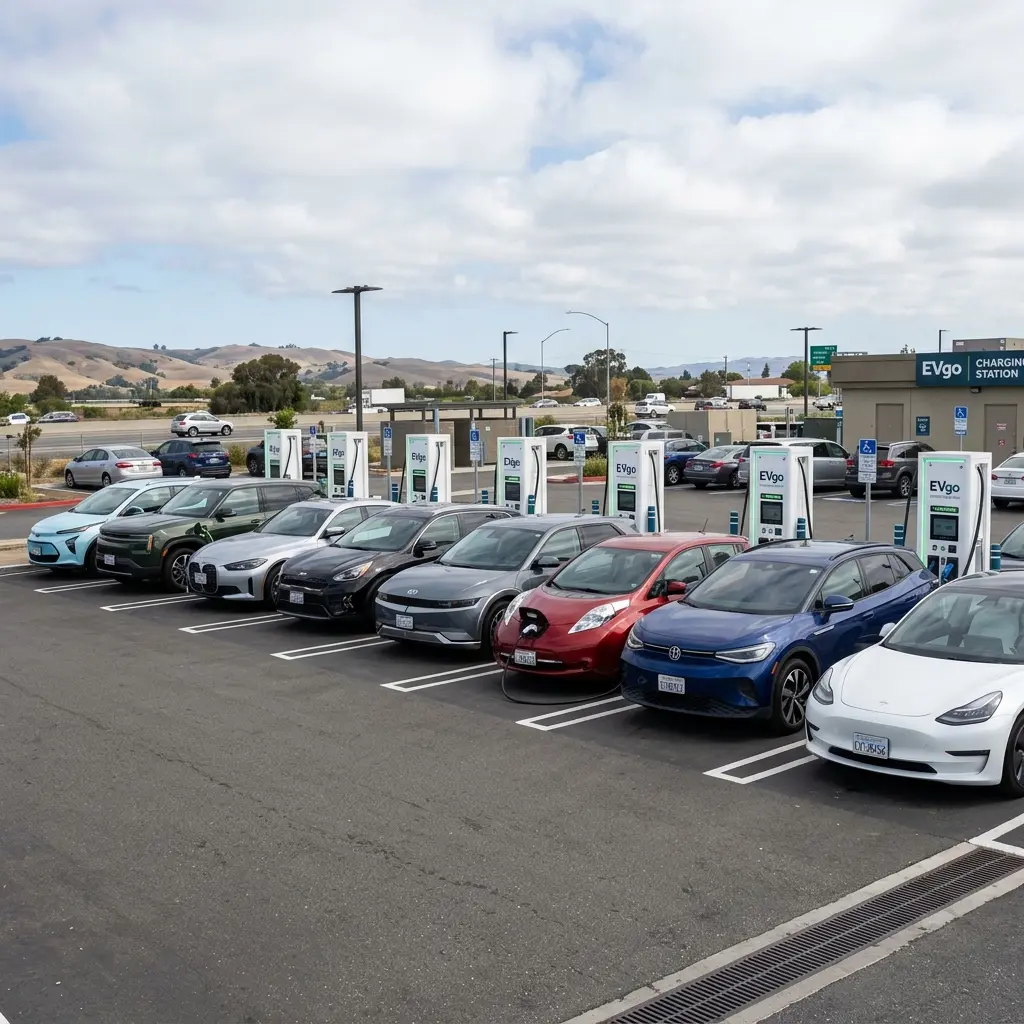
Por que os Estados Concedem Isenção de IPVA para Elétricos?
A isenção de IPVA para veículos elétricos faz parte de políticas públicas de incentivo à mobilidade sustentável. Os governos estaduais reduzem ou eliminam o imposto para estimular a substituição da frota a combustão por veículos de zero emissão. Além do benefício ambiental, a medida também impulsiona o mercado de carros elétricos no Brasil, que cresceu mais de 400% nos últimos três anos.
Estados com Isenção Total em 2026
- São Paulo: isenção total para elétricos e híbridos (Lei 17.293/2020). Economia anual de R$ 3.000 a R$ 6.000 dependendo do valor do veículo. A isenção é válida por 5 anos, renovável. SP também oferece desconto no rodízio municipal para elétricos.
- Rio de Janeiro: isenção total para elétricos puros. Não inclui híbridos. Economia média de R$ 4.500/ano para um veículo de R$ 150.000.
- Distrito Federal: isenção total para veículos elétricos. O DF tem uma das frotas de elétricos que mais cresce no país, impulsionada pelo benefício fiscal e pela infraestrutura de recarga.
- Maranhão: isenção total para elétricos puros. Um dos estados do Nordeste com política mais avançada de incentivo.
- Piauí: isenção total para veículos elétricos. Benefício concedido mediante solicitação anual.
- Rio Grande do Sul: isenção total para carros elétricos. O estado também oferece condições especiais para instalação de wallboxes.
- Roraima: isenção total para elétricos. Menor economia absoluta devido às alíquotas mais baixas, mas ainda vantajosa.
- Sergipe: isenção total para veículos elétricos puros. Processo de solicitação simplificado pelo site da SEFAZ.
- Pernambuco: isenção total para elétricos. O estado tem investido em eletropostos na região metropolitana do Recife.
- Ceará: isenção total para elétricos. Fortaleza tem uma das maiores redes de recarga pública do Nordeste.
Estados com Isenção Parcial
- Minas Gerais: 70% de desconto na alíquota para elétricos. Alíquota efetiva cai de 3% para aproximadamente 0,9%. Economia anual de R$ 2.000 a R$ 3.500.
- Paraná: 50% de desconto na alíquota para veículos elétricos. Curitiba tem incentivos municipais adicionais para estacionamento gratuito.
- Santa Catarina: desconto parcial variável conforme o valor do veículo e ano de fabricação. Consulte a SEFAZ/SC para valores exatos.
- Bahia: 30% de desconto para veículos elétricos. A alíquota padrão de 2,5% cai para 1,75%. Economia média de R$ 1.000 a R$ 2.000/ano.
Estados SEM Isenção em 2026
Nove estados ainda não concedem qualquer benefício fiscal para carros elétricos: Amazonas, Pará, Mato Grosso, Mato Grosso do Sul, Goiás, Espírito Santo, Alagoas, Rio Grande do Norte e Tocantins. Nesses estados, a alíquota padrão de IPVA incide integralmente sobre o valor do veículo. Vale a pena verificar se há projetos de lei em tramitação, alguns desses estados estudam implementar isenção nos próximos anos.
Tabela Resumo IPVA 2026
| Tipo | Estados | Economia Anual (R$) |
|---|---|---|
| Isenção Total | SP, RJ, DF, MA, PI, RS, RR, SE, PE, CE | R$ 3.000 a R$ 6.000 |
| Isenção Parcial | MG (70%), PR (50%), SC (parcial), BA (30%) | R$ 1.000 a R$ 3.500 |
| Sem Isenção | AM, PA, MT, MS, GO, ES, AL, RN, TO | R$ 0 |
Como Solicitar a Isenção de IPVA em 2026
- Acesse o site da Secretaria da Fazenda (SEFAZ) do seu estado.
- Localize o serviço de “Solicitação de Isenção de IPVA para Veículos Elétricos”.
- Tenha em mãos: CRLV (Certificado de Registro e Licenciamento do Veículo), nota fiscal de compra, comprovante de residência e documentos pessoais (RG e CPF).
- Preencha o formulário online com os dados do veículo e do proprietário.
- Anexe a documentação digitalizada e protocolize o pedido.
- Acompanhe o andamento pelo número de protocolo gerado. O prazo médio de análise é de 30 a 60 dias.
- Após a aprovação, o benefício passa a valer para o exercício seguinte.
Perguntas Frequentes sobre IPVA de Carros Elétricos
Carros híbridos também têm isenção de IPVA?
Depende do estado. São Paulo (Lei 17.293/2020) e Pernambuco isentam híbridos. Rio de Janeiro, Distrito Federal e a maioria dos estados só isentam veículos 100% elétricos. Consulte a legislação do seu estado antes de comprar.
A isenção de IPVA é vitalícia?
Não. Em estados como São Paulo, a isenção é concedida por 5 anos e precisa ser renovada. Em outros estados, o benefício é anual e deve ser solicitado a cada exercício. Verifique as regras específicas do seu estado.
Qual a economia real de IPVA em 5 anos?
Considerando um carro elétrico de R$ 150.000 em São Paulo, a economia com IPVA é de aproximadamente R$ 22.500 em 5 anos (R$ 4.500/ano), somando-se aos benefícios de combustível e manutenção. Use nossa calculadora para simular seu caso específico.
Preciso pagar IPVA enquanto a isenção não é aprovada?
Sim. Enquanto o pedido de isenção está em análise, o IPVA continua sendo cobrado normalmente. Se aprovado, os valores pagos são restituídos ou creditados para o próximo exercício, dependendo do estado.
A isenção vale para carros elétricos usados?
Sim, desde que o veículo esteja registrado no estado que concede o benefício. A transferência de propriedade não anula a isenção, mas o novo proprietário deve solicitar a manutenção do benefício.
Calculadora de IPVA para Carro Elétrico
Para calcular exatamente quanto você vai economizar com seu carro elétrico, use nossa calculadora de IPVA. Basta informar o valor do veículo e o estado de registro para ver o valor do imposto e a economia com a isenção.
Conclusão
A isenção de IPVA para carros elétricos em 2026 é um dos principais fatores financeiros a considerar na hora da compra. Se você mora em São Paulo, Rio de Janeiro ou Distrito Federal, a economia anual pode ultrapassar R$ 5.000. Consulte a legislação atualizada do seu estado antes de comprar e veja o comparativo completo de custo total de propriedade para entender o panorama financeiro completo.
Perguntas frequentes
Como fazer IPVA 2026: Quais Estados Isentam Carros Elétricos??
Misture os ingredientes conforme o modo de preparo, leve ao forno/fogão e sirva. Veja o passo a passo completo acima.
Qual o tempo de preparo de IPVA 2026: Quais Estados Isentam Carros Elétricos??
Cerca de 40 minutos.
Quantas porções rende IPVA 2026: Quais Estados Isentam Carros Elétricos??
Rende aproximadamente 4 porções.
Posso congelar IPVA 2026: Quais Estados Isentam Carros Elétricos??
Sim, na maioria das receitas caseiras é possível congelar por até 3 meses em recipiente hermético.
Como substituir ingredientes em IPVA 2026: Quais Estados Isentam Carros Elétricos??
Use substituições equivalentes (ex.: leite por leite vegetal, açúcar por adoçante culinário). Ajuste líquidos e tempo de forno ao alterar farinhas.
Artigo de Brasil • Brasil • tecnologia • sustentabilidade.
🔬 Metodologia e Fontes — como produzimos e verificamos este conteúdo
Fontes consultadas:
- Registro canônico EVblog (/dados-ev)
Forma de medição e critérios: comparativos usam sempre os mesmos campos (preço, autonomia, bateria, potência, consumo, recarga AC/DC) extraídos do registro canônico. Veja Como Testamos.
Última revisão: 29 de agosto de 2026.
Conteudo produzido com assistencia de IA sob curadoria e revisao editorial de Luiz Cavalcanti. Consulte a Política Editorial e a Política de Uso de IA.